

 Myopia management
 Dry Eye Treatment

 Browse Eyewear
 When Allergies Turn Into Dry Eyes: Symptoms, Prevention, and Treatment
Blog:When Allergies Turn Into Dry Eyes: Symptoms, Prevention, and Treatment
When Allergies Turn Into Dry Eyes: Symptoms, Prevention, and Treatment
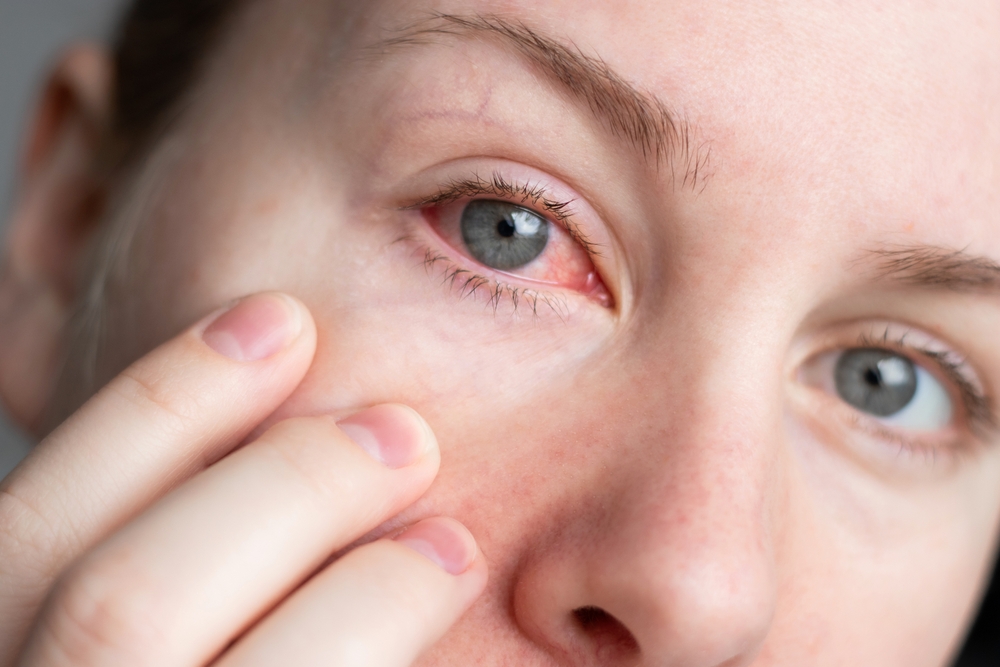
Allergies and dry eyes can look very similar, and in many cases, they happen at the same time. When allergens like pollen, dust, or pet dander irritate the eyes, the surface of the eye becomes inflamed. That irritation can disrupt the tear film, which is what keeps the eyes comfortable and properly lubricated. As a result, allergy symptoms can quickly turn into ongoing dry eye symptoms. At our office, we often see patients in San Antonio who assume they only have seasonal allergies, when dry eye is also part of the problem. It can be hard to tell where allergies end and dry eye begins. Many patients notice redness, burning, watery eyes, or itching. While itching is usually more closely tied to allergies, dry eye can cause stinging, blurred vision, light sensitivity, and a gritty sensation. If your eyes water excessively, that can also be misleading. Reflex tearing often happens when the eyes are too dry, so watery eyes do not always mean you have enough moisture. Several everyday factors can make allergy-related dry eye worse, especially in San Antonio where environmental triggers can change throughout the year. When these issues stack together, the eyes may stay irritated longer and feel less comfortable day to day. The first step is limiting exposure to triggers whenever possible. Washing your hands, changing pillowcases often, and keeping windows closed during high pollen days can help reduce allergy irritation. Cold compresses may also soothe inflamed eyes. It also helps to be more intentional with screen time. Blinking less during computer use can make dry eye symptoms worse, so taking regular visual breaks can support better tear stability. Many patients start with allergy drops or artificial tears, and those products can be helpful in mild cases. However, they do not always address the full cause of the problem. Some eye drops are designed for allergy relief, while others are meant to support tear quality and moisture. Using the wrong product can leave symptoms unresolved. If irritation keeps coming back, it may be time for a dry eye evaluation rather than trying more drops on your own. The best treatment depends on whether your symptoms are mostly from allergies, dry eye, or both. In some cases, we recommend preservative-free artificial tears, prescription treatment, changes to contact lens wear, or in-office dry eye care. If allergies are a major trigger, we may also recommend strategies to reduce inflammation and help protect the eye’s surface. Because Texas State Optical Stone Oak treats both dry eyes and eye allergies, we can help identify what is causing your symptoms and recommend treatment that fits your needs. Contact Texas State Optical Stone Oak in San Antonio, Texas by calling (210) 361-0065 to schedule an evaluation and find lasting relief for dry, irritated eyes.
Common Symptoms to Watch For
What Can Make Symptoms Worse
Prevention Starts With Reducing Irritation
Why Over-the-Counter Relief Is Not Always Enough
Treatment Depends on the Real Cause
Quick Links
Helpful Articles
article_category: eye health
article_category: dogs
article_category: preventative
article_category: general
article_category: ocular disease management
article_category: products
article_category: surgical procedures
article_category: vision therapy
article_category: cats
article_category: services
article_category: contact lenses
article_category: eyeglasses
article_category: eye surgery co-management
article_category: technology
article_category: Aesthetics
article_category: FAQ & tips
article_category: psychiatry
article_category: large animal
article_category: exotic
article_category: restorative
article_category: cosmetic
article_category: conditions
article_category: health
[]
article_category: dogs
article_category: preventative
article_category: general
article_category: ocular disease management
article_category: products
article_category: surgical procedures
article_category: vision therapy
article_category: cats
article_category: services
article_category: contact lenses
article_category: eyeglasses
article_category: eye surgery co-management
article_category: technology
article_category: Aesthetics
article_category: FAQ & tips
article_category: psychiatry
article_category: large animal
article_category: exotic
article_category: restorative
article_category: cosmetic
article_category: conditions
article_category: health
[]
Flowbite is an open-source library of interactive components built on top of Tailwind CSS including buttons, dropdowns, modals, navbars, and more.
Check out this guide to learn how to get started and start developing websites even faster with components on top of Tailwind CSS.

All Eyecare Services
We offer a wide variety of eye care services to the San Antonio community. Contact us with any questions about our services.

Keep In Touch
For non-urgent questions or to learn more about our services, contact us today!

Contact Information
Office Hours
- Monday 9:00 AM - 6:00 PM
- Tuesday 9:00 AM - 6:00 PM
- Wednesday 9:00 AM - 6:00 PM
- Thursday 9:00 AM - 6:00 PM
- Friday 9:00 AM - 5:00 PM
- Saturday 9:00 AM - 2:00 PM
- Sunday Closed
- Monday 9:00am - 6:00pm
- Tuesday 9:00am - 6:00pm
- Wednesday 9:00am - 6:00pm
- Thursday 9:00am - 6:00pm
- Friday 9:00am - 6:00pm
- Saturday 10:00am - 2:00pm
- Sunday Closed
- Monday 8:00am - 5:00pm
- Tuesday
- Wednesday
- Thursday
- Friday
- Saturday
- Sunday
© 2026 Texas State Optical Stone Oak. All rights Reserved - Accessibility Statement - Privacy Policy - Sitemap
Managed and Designed by 