

 Myopia management
 Dry Eye Treatment

 Browse Eyewear
Annual Diabetic Eye Exams in San Antonio: Protecting Vision Against Diabetic Retinopathy
Blog:Annual Diabetic Eye Exams in San Antonio: Protecting Vision Against Diabetic Retinopathy
Annual Diabetic Eye Exams in San Antonio: Protecting Vision Against Diabetic Retinopathy
Annual Diabetic Eye Exams in San Antonio: Protecting Vision Against Diabetic Retinopathy
Clear vision does not always mean your eyes are free from diabetes-related changes. Diabetic retinopathy can develop quietly, making regular eye exams an important part of managing diabetes. At Texas State Optical Stone Oak, we help our San Antonio patients monitor their eye health and identify concerns before noticeable vision problems develop.
Why Diabetes Can Affect Your Retina
Over time, high blood sugar can damage the small blood vessels in the retina, the light-sensitive tissue at the back of your eye. These vessels may leak fluid or blood, and advanced disease can cause abnormal blood vessels to grow.
Diabetic retinopathy often has no early symptoms. An updated glasses prescription or a clear view of the eye chart cannot rule it out. A thorough retinal examination helps us detect changes that you may not notice.
When Should You Schedule a Diabetic Eye Exam?
Annual diabetic eye exams are an important routine for many adults with diabetes. Adults with type 2 diabetes should have an initial dilated eye exam at diagnosis. Adults with type 1 diabetes generally need their first exam within five years of diagnosis.
After that, we recommend a schedule based on your retinal health and medical history. Existing retinopathy may require more frequent visits. Some patients with repeated normal results and blood sugar within their target range may qualify for longer intervals under their eye doctor's guidance.
What We Evaluate During Your Visit
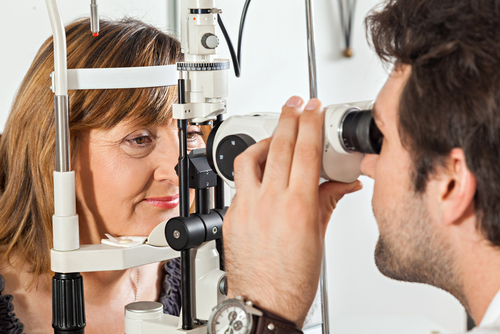
At our San Antonio office, we review your diabetes history, medications, and any vision changes. We assess your vision and examine the retina for signs of bleeding, leakage, or other abnormalities.
Dilating your pupils allows us to examine the back of your eyes more thoroughly. Retinal imaging may also help us document findings and compare changes over time. Imaging supports this evaluation and does not automatically replace dilation.
If we detect diabetic eye disease, we explain the findings and recommend appropriate monitoring or referral to a retinal specialist when needed.
Vision Changes That Should Not Wait
Contact us promptly if you notice:
New or worsening blurry vision
Dark spots, streaks, or cobweb-like floaters
Difficulty reading or seeing details
Missing or dark areas in your vision
Sudden vision loss, a sudden increase in floaters, flashes of light, or a curtain across your vision requires immediate evaluation. Do not wait for your annual appointment.
Supporting Your Eye Health Between Exams
Your daily diabetes care also matters. Work with your medical team to manage blood sugar, blood pressure, and cholesterol within your individual targets. These steps can help lower the risk of diabetic retinopathy developing or worsening.
Bring your medication list and recent A1C result, if available, to your appointment. This information helps us understand your overall diabetes management and tailor our recommendations.
Make your eye health part of your diabetes care plan. Schedule your annual diabetic eye exam with Texas State Optical Stone Oak in San Antonio, TX, by calling (210) 361-0065.
Quick Links
Helpful Articles

All Eyecare Services
We offer a wide variety of eye care services to the San Antonio community. Contact us with any questions about our services.

Keep In Touch
For non-urgent questions or to learn more about our services, contact us today!

Contact Information
Office Hours
- Monday 9:00 AM - 6:00 PM
- Tuesday 9:00 AM - 6:00 PM
- Wednesday 9:00 AM - 6:00 PM
- Thursday 9:00 AM - 6:00 PM
- Friday 9:00 AM - 5:00 PM
- Saturday 9:00 AM - 2:00 PM
- Sunday Closed
- Monday 9:00am - 6:00pm
- Tuesday 9:00am - 6:00pm
- Wednesday 9:00am - 6:00pm
- Thursday 9:00am - 6:00pm
- Friday 9:00am - 6:00pm
- Saturday 10:00am - 2:00pm
- Sunday Closed
- Monday 8:00am - 5:00pm
- Tuesday
- Wednesday
- Thursday
- Friday
- Saturday
- Sunday
© 2026 Texas State Optical Stone Oak. All rights Reserved - Accessibility Statement - Privacy Policy - Sitemap
Managed and Designed by 